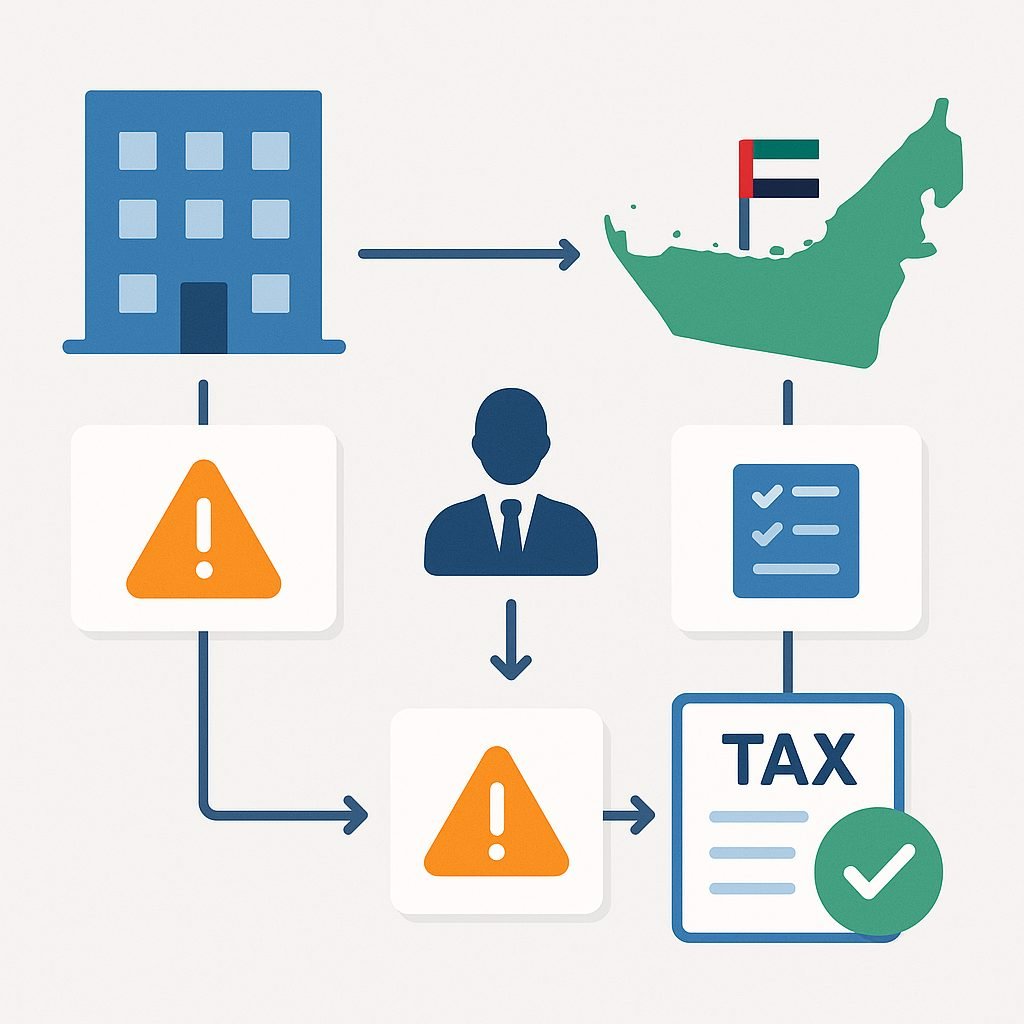
Corporate Tax Filing for UAE Free Zone Companies: What to Check Before Filing
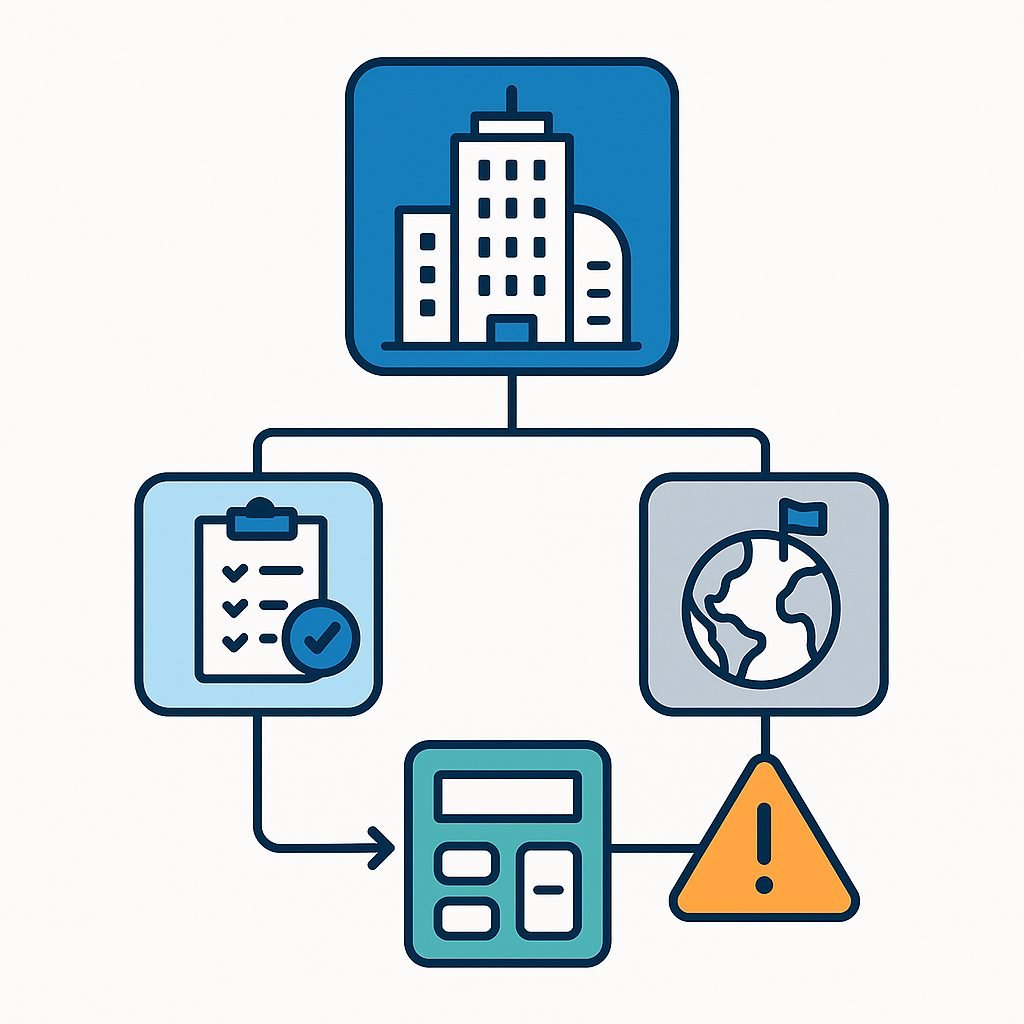
Corporate Tax Filing for UAE Free Zone Companies: What to Check Before Filing
For UAE free zone companies, the main filing question is not simply whether corporate tax applies. The real question is whether the company qualifies for the intended free zone treatment and whether the return supports that position with reliable records. In practice, directors should confirm the legal entity, licence activity, income streams, expenses, related party transactions, and accounting period before filing. If any point is unclear, resolve it before submission rather than after an FTA query.
Why free zone filing needs special care
Free zone entities may have different facts from mainland companies: they often hold multiple licences, serve customers inside and outside the UAE, and transact with group companies. A small classification error can change the filing result. The tax return must reflect the company’s actual operations, not only its trade name or free zone address.
- Licence activities compared with actual revenue generating activities
- Customer location, service delivery location, and source of income
- Transactions with owners, managers, branches, and related parties
- Accounting records that reconcile to the submitted return
Core checks before you file
Use the following checks before logging into EmaraTax. They are practical controls, not a substitute for tailored advice where the structure is complex.
Registration and tax period
Confirm the company is registered for UAE corporate tax, the tax registration number is available, and the correct financial year is selected. Filing against the wrong period can create avoidable corrections.
Qualifying status
Review whether the entity meets the conditions relevant to free zone treatment for the period. Do not assume last year’s position still applies after new contracts, activities, or ownership changes.
Accounting and adjustments
Start from final accounts, then identify tax adjustments, disallowed costs, exempt income, and timing differences. The return should tie back to the financial statements and working papers.
Related party pricing
Check director, shareholder, group, and connected person transactions. Where transfer pricing rules are relevant, keep contracts, calculations, and benchmarking support appropriate to the scale of the business.
Step by step filing checklist on EmaraTax
Before pressing submit, assign responsibility and keep an evidence file. A simple sequence reduces rework.
- Download the final trial balance, profit and loss statement, balance sheet, and general ledger.
- Map revenue by customer, jurisdiction, activity, and contract type.
- Review expenses for personal costs, capital items, provisions, penalties, and non-business amounts.
- Identify related party and connected person transactions, then collect agreements and pricing notes.
- Check opening balances, losses, tax relief claims, and any elections.
- Complete the return on EmaraTax using reviewed figures, not draft management accounts.
- Save the acknowledgement, submitted return, payment proof, and working papers in one folder.
Example: if a free zone consultancy invoices both overseas clients and UAE mainland customers, management should separate income by contract and delivery facts before deciding how it is reported. This prevents a rushed year-end estimate from becoming the basis of the tax return.
Documents and records to keep ready
The FTA can ask for clarification after filing, so the file should explain how the return was prepared. Keep records in a form that a reviewer can follow without relying on memory.
Common mistakes and how to recover
Mistakes usually come from rushing, using unreviewed bookkeeping, or assuming free zone treatment without checking the current facts. The business impact can include extra tax, penalties, management time, and uncertainty during bank or investor due diligence.
Mistakes to avoid
- Submitting figures that do not agree with the signed accounts
- Mixing qualifying and non-qualifying income in one unsupported total
- Ignoring transactions with shareholders, directors, or group entities
- Filing late because access to EmaraTax, approvals, or records were not ready
- Treating VAT records as enough for corporate tax without accounting adjustments
If you find an issue
Pause the filing where possible and document the issue. If already submitted, review the error, quantify the effect, and consider whether a correction or disclosure is required under FTA procedures. Do not delete working papers or change records without an audit trail.
Decision framework for management
Before filing, directors should be able to answer three questions. First, do we understand our free zone tax position for this year? Second, can our accounts and records prove it? Third, are we comfortable that EmaraTax reflects the approved numbers?
If the answer to any question is no, the better commercial decision is to fix the gap before submission. For simple companies, this may mean a final bookkeeping review. For groups, mixed activities, or significant related party dealings, it usually means obtaining professional tax advice.
Free zone corporate tax filing: the short answer
Corporate Tax Filing for UAE Free Zone Companies: practical pre-filing checks for FTA and EmaraTax compliance, records, risks, and next steps for businesses.
Need help before you file?
If your free zone company needs a filing review, eligibility check, or EmaraTax support, speak with STH Financial before submission. Our corporate tax advisory team can help you prepare a defensible return and identify issues early. Start with clarity.